ROGERS ATUKUNDA
In a period of 100 days from April 7 to mid July 1994, members of the Hutu majority slaughtered an estimated 500,000–1,000,000 Tutsi and moderate Hutu in Rwanda.
Since 1994, the Rwandan genocide has gone down history as one of the most horrifying post slavery stories.
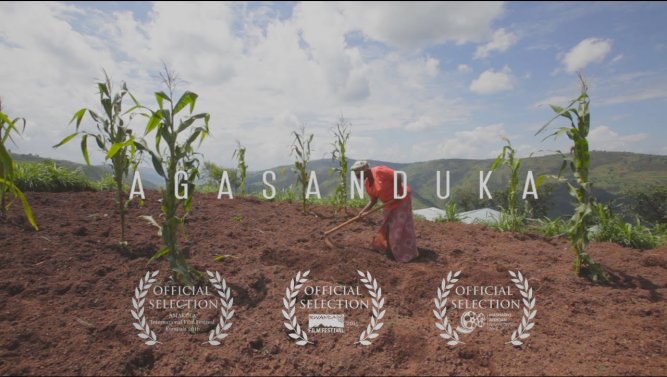
The poster for ‘Agasanduka’
Olaf Hamelink in his 8-minute short Agasanduka gives an insight into the devastating effects of the genocide including loss, abandonment and hopelessness. Agasanduka means ‘box’ in Kinyarwanda.
Twenty one years after the genocide, a woman finds a mysterious box in a hilly rural countryside. The box has a magic pencil and book that can bring to life everything she draws.
It brings to life a rabbit she sketches on the paper, then a candle and then money. The box makes her realize she would trade everything and anything to get her loved ones back.
She then puts all the money back into the magic box with a picture of her killed family members hoping to get them back, but alas.
“I especially was inspired by the world around me, but also by looking at a lot of websites, notes, photos and movies,” says the 23-year-old filmmaker from Netherlands.
Kindoki
Equally touching is Mania Tambwe’s 20-minute short Kindoki, which explores the plight of African immigrants in Europe.
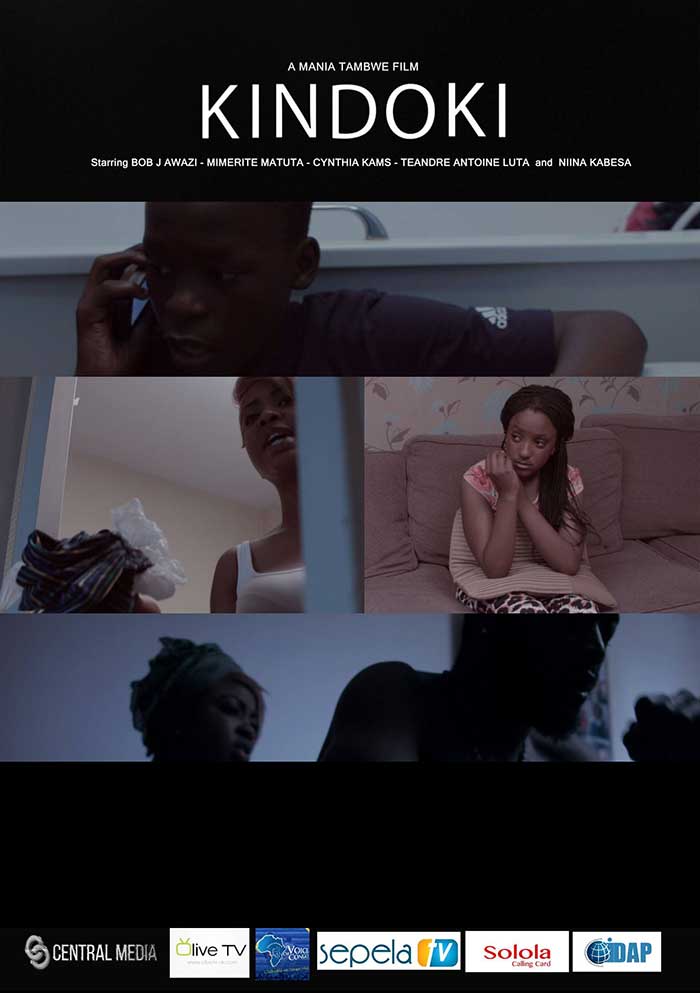
Kindoki presents the conflict between superstition and religion against the backdrop of immigration
The film tells the story of two siblings, Pacide and Rosie, who are left in the care of their aunt and her obnoxious boyfriend, Patrick, in London because their immigrant mother is too broke to look after them in Paris.
An award-winning motion creator born in Africa and raised in London, Tambwe blends the modern religion with African traditional beliefs to explore the clash between superstition and Christianity.
Kindoki is thought by its believers to be a kind of witchcraft or possession by evil spirits.
In the Democratic Republic of Congo and the Netherlands, this belief is responsible for acts of child abandonment and ritual abuse of adults and children who are thought to have fallen victim to kindoki.
Patrick, who claims to be Christian, in his unreasonable self-righteous accuses the little brother and sister of witchcraft.
He drowns Placide in a bathtub after torturing the kids for days while their aunt, who has been trying to escape the abusive relationship, joins in.
In this case, while Rosie only loses parental care, Placide on the other hand loses his most precious gift – his life.
Tambwe through calculated shots manages to bring out the insensitive modern world of towns to highlight the harsh realities of the events that lie beneath UK communities.
Olaf on the other hand employs beautiful cinematography panning from low-lying hills, green vegetation to domestic animals to expose the loneliness and endless sense of loss Rwandan families have endured in the post-genocide era.
Both films are in competition for the Best East African Short Film award at the ongoing Amakula International Film Festival.